Understanding the condition of your gutters
Gutters do not last forever. Over time, exposure to sun, rain, and debris takes a toll. Sections may pull apart, seams may open, and the pitch - the slope that guides water toward downspouts - can shift. When homeowners notice water spilling over the sides or staining along the fascia, the question becomes whether to patch the problem or start fresh. The answer depends on the extent of the damage, the age of the system, and the material it is made from.
A single leak or a small separation can often be fixed. But if multiple sections are failing, or if the gutters have been repaired several times already, a full replacement may be the more reliable path. The difference between a quick fix and a long-term solution is not always obvious from ground level. A careful inspection from a ladder (or from the roof edge) reveals what is really going on.
What to look for during an inspection
Start by checking for visible cracks, rust spots, or holes. In metal gutters, rust tends to start at the bottom of the channel where water sits. In vinyl or plastic systems, brittleness and cracking appear after years of UV exposure. Next, look at the joints. Seams are the weakest point in sectional gutters. If the sealant has dried out or the connectors have slipped, water will escape at those points. Also check the gutter pitch. Water should flow steadily toward the downspout without pooling. Standing water is a sign that the gutter has settled or was hung with insufficient slope.
Downspout placement matters as well. If water backs up because a downspout is undersized or blocked, the whole system struggles. Sometimes a repair is as simple as clearing debris or resecuring a bracket. Other times, the underlying problem is poor design that no amount of patching can fix.

When repair makes sense
Repair is often the right call when the damage is localised and the rest of the system is in good shape. A single cracked section can be replaced without touching the rest of the run. A loose hanger can be tightened. A leaking seam can be cleaned and resealed. These are straightforward fixes that restore function at a modest cost. If the gutters are less than ten years old and show no widespread corrosion or sagging, targeted repairs typically extend their life for several more seasons.
Another scenario where repair works well is when the gutter material is still widely available. If you have an aluminum gutter system, for example, matching new sections with existing ones is usually easy. The same holds for standard vinyl profiles. But if your gutters are an obsolete style or a discontinued colour, finding compatible parts becomes difficult. In that case, even a small problem can push you toward a larger project.
When replacement is the better choice
There are clear signs that a full replacement is due. If multiple sections are rusted through or cracked, patching one spot only reveals another. If the gutter has pulled away from the fascia in several places, the fasteners may be failing and the wood behind them may be rotted. A system that has been repaired several times already is likely to need more work soon. The cost and hassle of repeated fixes add up, and each repair joint is a potential future leak.
Another reason to replace is when the existing system was poorly designed from the start. Gutters that are too small for the roof area, downspouts placed awkwardly, or sections that never had proper pitch will continue to cause problems no matter how many repairs you make. A replacement gives you the chance to correct those issues. You can choose a seamless gutter system that eliminates joints entirely, which removes the most common leak points. Seamless installation also allows for a cleaner look and fewer places for leaves to snag.

Material choice is another factor. If your current gutters are vinyl and you live in an area with heavy leaf fall or frequent hail, upgrading to aluminum or steel may save you trouble later. Aluminum gutters resist rust and hold up well under debris weight. They also handle temperature swings better than vinyl, which can warp in heat. The decision between gutter repair or replacement often comes down to whether the existing material still serves your home well or whether a different material would perform better over the long haul.
Water diversion and routing considerations
Gutters are only half the system. The way water leaves your roof and moves away from the foundation matters just as much. When planning a replacement, think about where the downspouts discharge. Splash blocks, underground drains, or rain barrels all affect how water flows around the house. If your current setup allows water to pool near the foundation, a replacement project is the right time to add extensions or reroute the downspouts. Leaf guards are another add-on worth considering. They keep debris out of the gutters, which reduces the frequency of cleaning and helps maintain proper flow. Installing them on a new system is simpler than retrofitting old gutters.
Pitch adjustment is easier with a full replacement too. Old gutters that have settled over time can be rehung with a consistent slope, usually about a quarter-inch per ten feet. That small angle makes a big difference in how well the system sheds water. Without it, even new gutters will hold water and eventually sag.
Making the call
Homeowners often hesitate because they are not sure whether a problem is minor or a sign of deeper trouble. A good rule of thumb is to assess the percentage of the system that is damaged. If more than a third of the gutter sections show visible wear, leaks, or sagging, replacement usually costs less in the long run than piecemeal repairs. If the damage is limited to one or two areas and the rest of the system is sound, repair is the practical route.
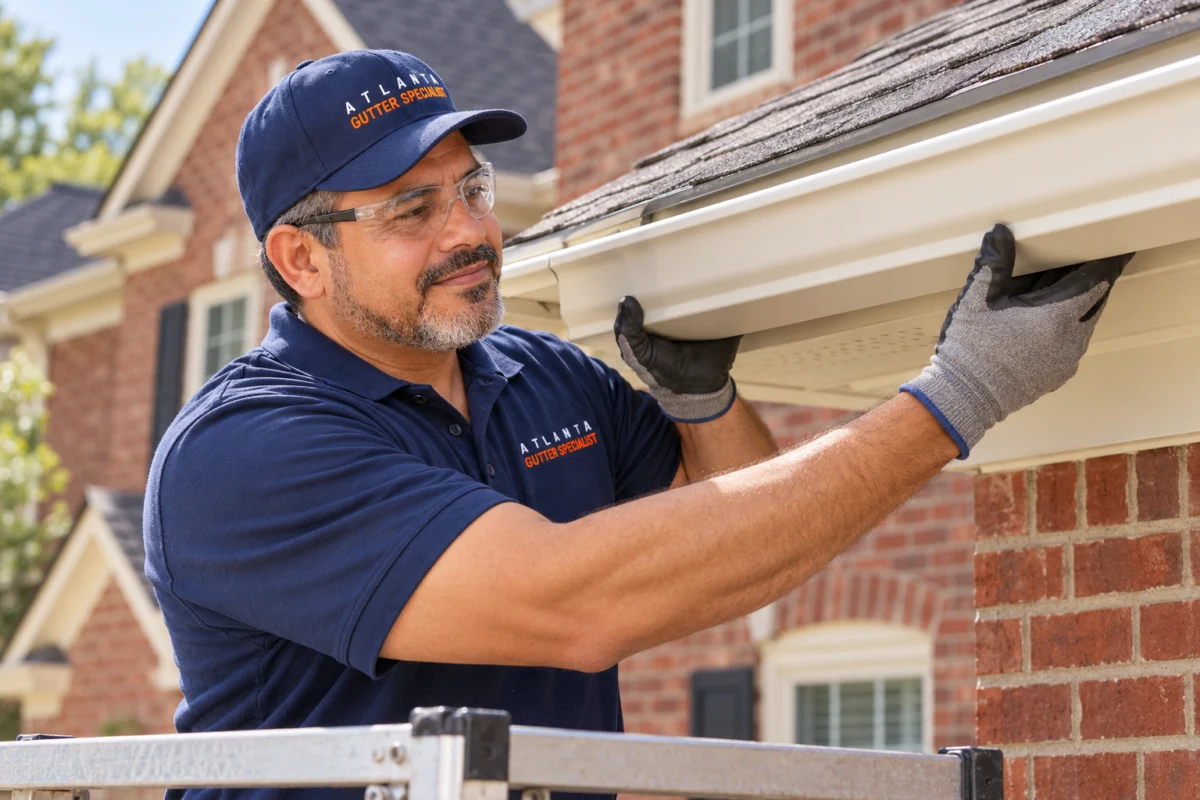
Another factor is the age of the roof. If the roof itself is near the end of its life, it may be smart to coordinate a gutter replacement with the new roofing. That way, the drip edge and the gutter work together from the start. Doing them separately can mean paying for installation labor twice and dealing with mismatched alignments.
In the end, the decision between gutter repair or replacement comes down to honesty about the system's condition. A few bad sections do not necessarily mean the whole thing needs to go. But if the gutters are old, poorly pitched, or made of a material that no longer performs well, a replacement solves problems that repairs never will. Taking the time to inspect carefully and think about water routing, material, and long-term maintenance will point you toward the right choice for your home.